
Hair Transplant in Turkey: FUE vs DHI Explained
The two techniques you'll see mentioned most often — FUE and DHI — differ in more than just the acronym. Here's what actually separates them.
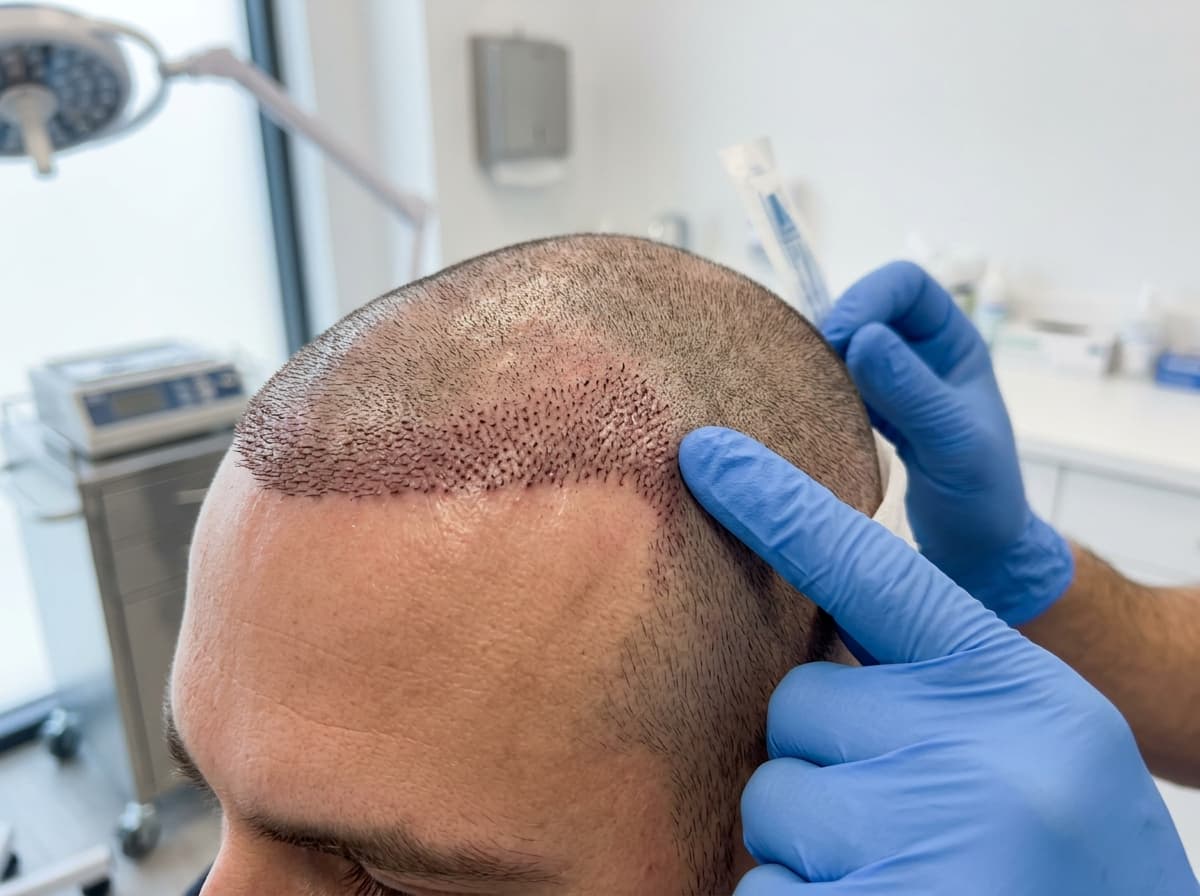
If you've started researching hair transplants in Turkey, you've almost certainly come across two abbreviations: FUE and DHI. Both are follicular extraction methods — meaning individual hair follicles are removed one at a time rather than in a strip — but they differ in how those follicles are implanted, and that difference affects cost, healing time and the type of result each is best suited for.
FUE (Follicular Unit Extraction)
In FUE, follicles are extracted individually using a fine punch tool, then the surgeon creates small recipient-site incisions in the balding area before manually placing each graft. It's the most established and widely performed technique globally, and well suited to larger sessions covering extensive areas.
DHI (Direct Hair Implantation)
DHI uses the same extraction method as FUE, but implants each follicle directly using a specialised pen-shaped tool, without pre-making a separate recipient incision. This allows for more precise control over the angle, depth and direction of each graft — particularly valuable along the hairline, where a natural-looking angle matters most.
So which one is better?
Neither technique is universally better — they suit different cases:
- FUE tends to be faster for very large sessions (2,500+ grafts) and is generally the more cost-effective option.
- DHI allows for greater precision, particularly for hairline design and dense placement in a smaller area, but typically takes longer and can cost more per session.
Many experienced clinics in Turkey now offer a hybrid approach — using DHI for the hairline where precision matters most, and FUE for the denser mid-scalp area where speed and coverage matter more.
What actually determines your result
The technique matters less than most marketing suggests. What determines the outcome is the surgeon's experience, how many grafts your specific case genuinely needs, and how well your natural growth pattern is respected in the design. A rushed consultation that skips a proper scalp assessment is a bigger red flag than a clinic's choice of FUE over DHI.
What to ask during your consultation
- How many grafts does my case realistically need?
- Which technique do you recommend for my hairline specifically, and why?
- Can I see before-and-after results from patients with a similar hair loss pattern to mine?
Curious what your own hair transplant plan might look like? Speak to the Bintez team for a free, no-obligation consultation.
Related Treatments

Hair Transplant
Permanent hair restoration solutions using advanced transplant techniques. FUT and FUE options available.

PRP Treatment
Natural hair loss solution using your own blood plasma. Quick, non-surgical procedure with minimal recovery time.
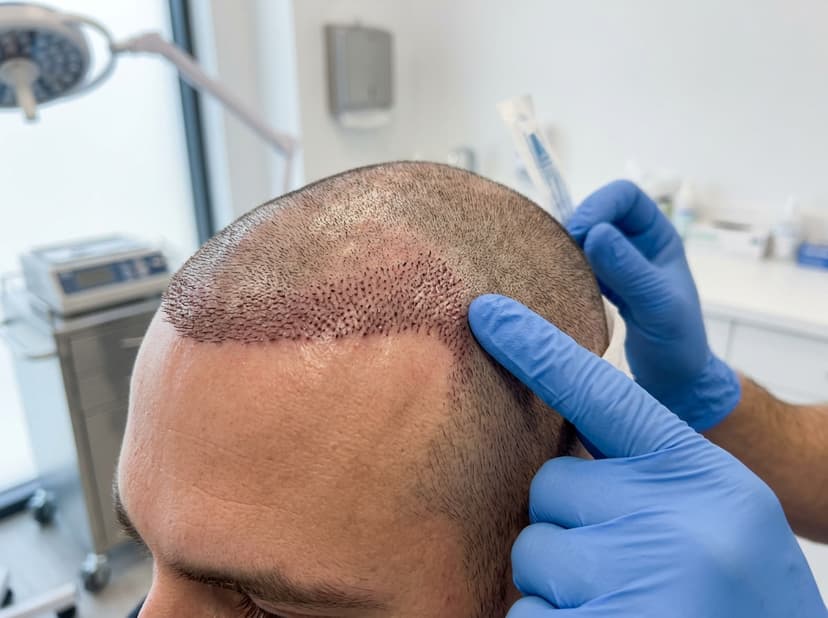
FUE Hair Transplant
Advanced follicular unit extraction technique for natural-looking hair restoration with minimal downtime.
Related Articles
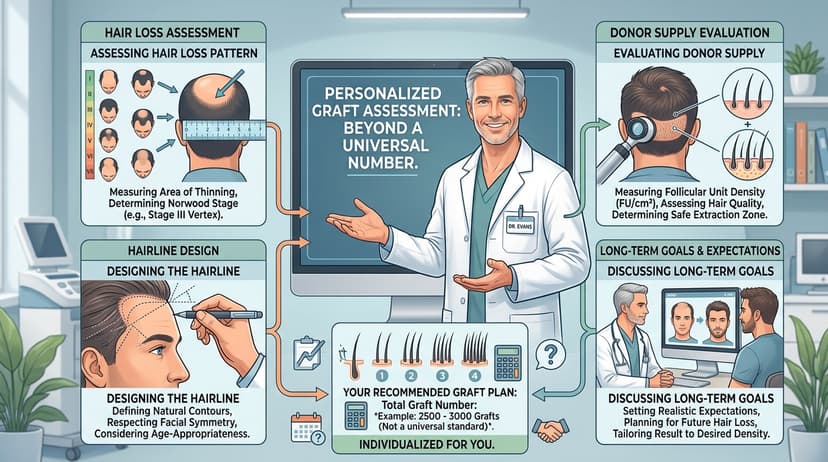
Hair Transplant Turkey: How Many Grafts Do You Really Need?
There is no universal graft number for a hair transplant. Here's how doctors assess your hair loss, donor supply, hairline and long-term goals before deciding how many grafts you actually need.

Hair Transplant Recovery in Turkey: A Week-by-Week Timeline
A realistic week-by-week look at hair transplant recovery in Turkey — from the first 72 hours in Istanbul to the 12-month result, including the shedding phase nobody warns you about.

Hair Transplant Turkey Cost: What UK Patients Really Pay in 2026
UK clinics often charge by the graft. Turkish clinics usually quote an all-inclusive package. Here's how the real numbers compare.